


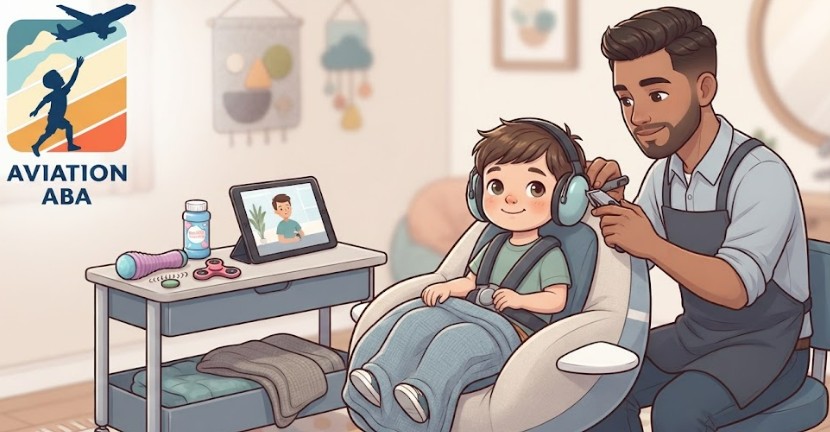
Haircuts can be hard for autistic children, teens, and adults because they combine sound, touch, unpredictability, bright lights, smells, and social pressure all at once. These haircut tips for autism focus on reducing sensory overload first, then building tolerance step by step.
If your child has intense distress, self-injury, or panic around grooming, it’s worth involving an occupational therapist, behavior analyst, or pediatric provider.
Key Takeaways
- Identify the exact trigger before changing the haircut routine.
- Use visual schedules, social stories, and short practice sessions before the haircut.
- Start desensitization at home before expecting success in a salon.
- Choose a stylist who is willing to slow down, explain, pause, and modify the environment.
- For adolescents and adults, protect dignity and choice, not just compliance.
Why Haircuts Can Feel Overwhelming

- Barber following the best haircut tips
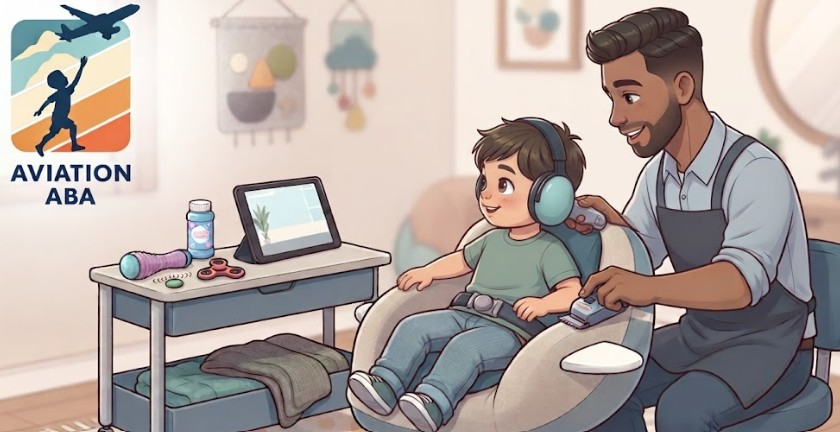
For some autistic people, the problem is not “disliking haircuts.” It’s the sensory load.
Common triggers include:
- Buzzing sounds from clippers
- Tactile sensitivity from hair falling on the neck, water spray, capes, combs, or scissors near the ears
- Smells from shampoo, styling products, or disinfectants
- Visual input from mirrors, lights, and busy salon movement
- Loss of control when someone touches the head or gives rapid instructions
Autism can look very different from person to person, which is why a one-size-fits-all haircut plan rarely works. If you’re thinking through your child’s needs more broadly, the autism spectrum wheel can help explain why sensory, communication, and behavior differences may show up in different ways.
Step-By-Step Desensitization for Haircuts
Desensitization means gently building tolerance over time. It should not mean forcing someone to “push through” distress.
1. Make a Trigger List
Write down what causes the biggest reaction. Is it the clipper noise? Hair touching the skin? The cape? Sitting still? A stranger standing close?
Pick one trigger to work on first.
2. Practice Without Cutting Hair
At home, try short, low-pressure practice sessions:
- Sit in the haircut chair for 30 seconds.
- Wear the cape for 10 seconds.
- Touch the comb to the hair.
- Turn clippers on across the room.
- Move clippers closer over several days or weeks.
Pair each step with praise, a favorite video, deep pressure, or another calming support. If your child stims during practice, such as rocking or hand movements, that may be self-regulation rather than misbehavior. This guide to hand flapping explains why repetitive movement can help some autistic people cope.
3. Use Visual Support
A simple visual schedule can reduce anticipatory anxiety:
- Sit in chair
- Cape on
- Spray hair
- Trim hair
- Brush off hair
- All done
Social stories can also help. Keep them short and specific: who will cut the hair, what tools they’ll use, what sounds may happen, and how the person can ask for a break. Therapy Partners also recommends preparation and familiarization before haircut day in its haircut preparation tips.
Sensory-Friendly Salon Strategies
Call ahead before booking. A good professional stylist should be open to accommodations such as:
- First appointment of the day when the salon is quieter
- No blow dryer or clippers if they are major triggers
- Dimmer lighting or a less busy station
- Breaks every few minutes
- Cutting hair dry if water spray is distressing
- Letting the person hold a preferred item
- Using noise-canceling headphones
Some families also use mobile or home-based grooming services when the salon environment is too much. The goal is not perfection. The goal is a safe, respectful haircut with the least distress possible.
Home Haircut Protocol for Extreme Sensory Avoidance
If salon visits are not realistic yet, try a tiny-step home routine:
- Choose a calm time of day.
- Let the person watch the tools before use.
- Start with one small snip only.
- Remove loose hair right away with a soft towel.
- Offer a break before continuing.
- Stop before distress escalates.
- Repeat over several days if needed.
For some children with higher support needs, home grooming may remain the best option for a while. Families supporting children sometimes described as having low functioning autism may need extra time, communication supports, and professional guidance.
Haircut Tips for Autistic Teens and Adults
Autistic adolescents and adults may still have sensory pain around grooming, but they also need privacy, autonomy, and dignity. Ask what they prefer: scissors or clippers, mirror or no mirror, talking or quiet, salon or home.
Adults may benefit from booking with the same stylist each time, wearing headphones, requesting a dry cut, or scheduling appointments during low-traffic hours. If stimming helps with regulation, it should not automatically be discouraged. This article on stimming without autism may also help families understand self-soothing behaviors more broadly.
Transitioning Toward Standard Haircut Settings
Once accommodated haircuts feel manageable, reduce supports slowly:
- Move from home to a quiet salon visit.
- Keep headphones, then try one short period without them.
- Start with a familiar stylist before trying a busier setting.
- Increase haircut length only when shorter sessions are successful.
- Keep a break signal available, even in a standard salon.
Progress may take weeks or months. That’s okay.
Common Mistakes To Avoid for Haircut Tips for Autism
- Changing everything at once: Work on one trigger at a time.
- Skipping preparation: Visual schedules and social stories reduce surprise.
- Forcing compliance: This can increase fear for future haircuts.
- Choosing a busy salon: Noise and waiting can overload the nervous system before the haircut starts.
- Ignoring adults’ preferences: Sensory needs do not disappear with age.
A sensory-friendly haircut plan works best when it respects the person’s body, communication, and pace. Start small, prepare clearly, and build trust before expecting a full haircut in one sitting.
References
- Autism Speaks – Haircutting Guide

Sarah McConkie is a Board Certified Behavior Analyst and Clinical Director at Aviation ABA with years of experience supporting children and families through individualized ABA therapy. She has worked across multiple clinical settings, conducting behavioral assessments, developing treatment plans, and supervising therapy teams to help children build important everyday skills. Sarah is passionate about creating supportive, relationship-focused care that helps children feel comfortable, confident, and successful in their daily lives.
