


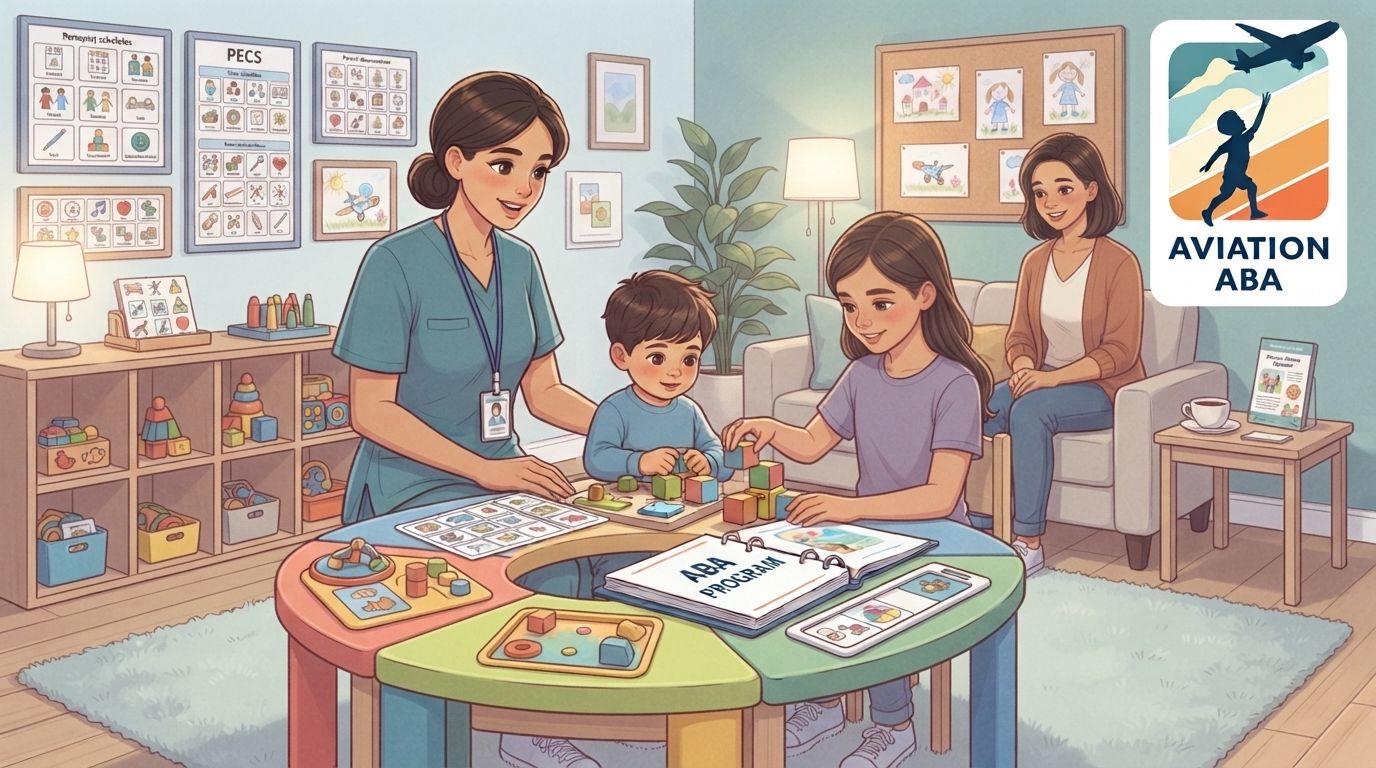
When ABA therapy happens at home, siblings are often nearby, curious, and part of the child’s everyday world. For some families, including siblings in Applied Behavior Analysis (ABA) sessions can support social practice and family routines. For others, it may create distraction, stress, or conflict if it is introduced too quickly.
The best answer is not “always yes” or “always no.” It depends on your child’s goals, your sibling’s readiness, and whether the ABA practitioner has a clear plan, so let’s see whether siblings during ABA therapy should be present or not.
Key Takeaways
- Siblings can be helpful in ABA sessions when their role is planned, brief, and age-appropriate.
- A sibling should not be expected to act like a therapist or manage challenging behavior.
- The ABA practitioner should lead the process, set boundaries, and watch for signs of stress in both children.
- If sibling involvement causes frequent conflict or behavioral escalation, it may be time to pause and adjust the plan.
- Family-centered care works best when therapy goals support real home life, not just session performance.
Why Sibling Involvement Can Help
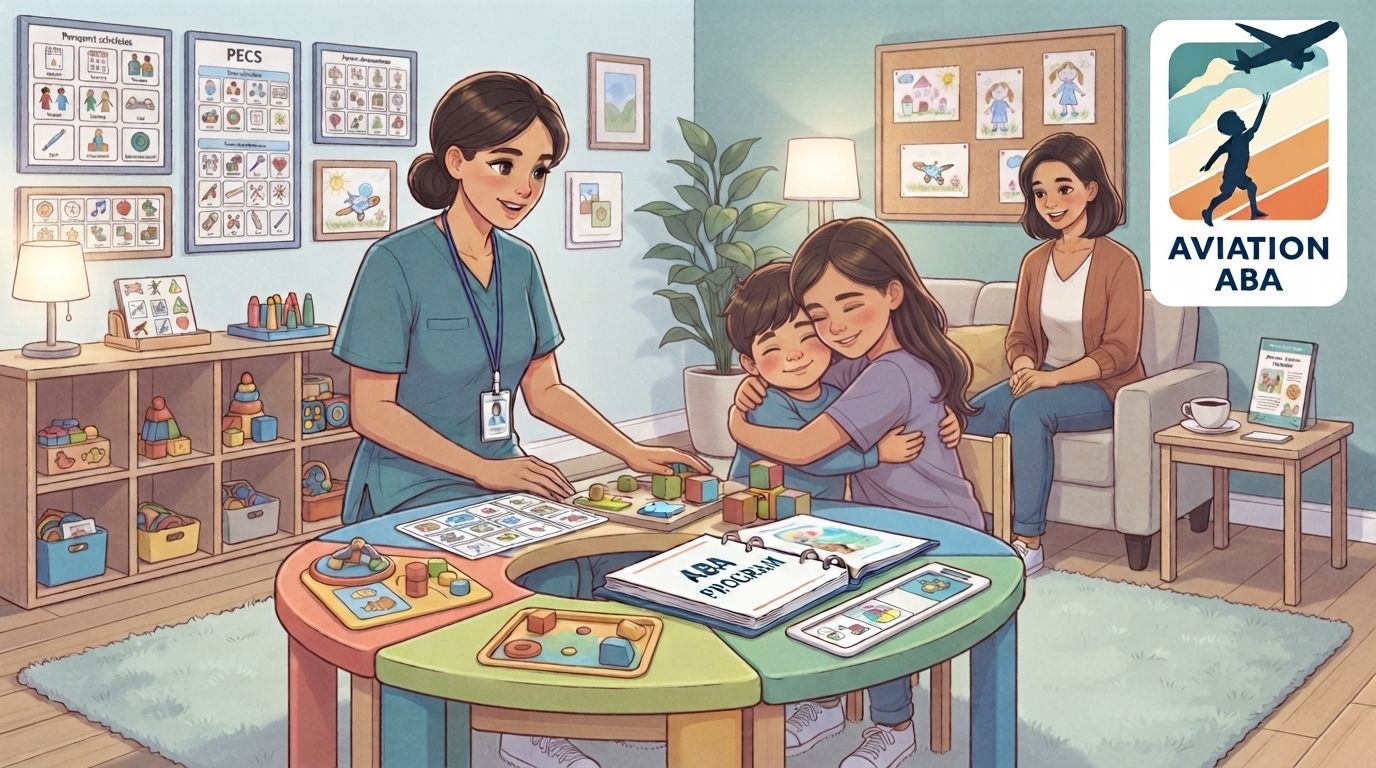
Sibling relationships are part of daily family life, so they can offer natural chances to practice communication, turn-taking, sharing, waiting, and flexible play. Research on sibling and family involvement in autism support suggests that siblings can play a meaningful role when adults provide structure and guidance, as discussed in this sibling involvement research. A related autism intervention review also describes how family and peer participation may support skill use outside of formal therapy settings, according to this PMC research article.
This can matter because children do not only use skills at a table or during a therapy activity. They use them while asking for a toy, joining a game, waiting for a turn, or handling a change in routine.
A Simple Readiness Checklist for Parents
Before inviting a sibling into an ABA session, ask:
- Can my child stay regulated for short social activities?
- Does the sibling understand basic expectations, like waiting or following adult directions?
- Is the sibling willing to participate without feeling pressured?
- Are both children safe during shared play or routines?
- Does the ABA practitioner have a specific goal for including the sibling?
If the answer to several of these is “not yet,” that does not mean siblings can never be involved. It may simply mean the team should start with observation, short greetings, or parallel play before moving into shared activities.
If your child has different support needs related to communication, sensory processing, or behavior, learning more about types of autism may also help you understand why sibling participation looks different from one family to another.
How Practitioners Can Introduce Siblings Safely
A careful ABA practitioner usually starts small. The goal is to protect the therapy plan while still respecting the family system.
A common step-by-step approach may include:
- Observe first. The practitioner watches how the children naturally interact during normal home routines.
- Choose one goal. This might be greeting, requesting, sharing, or tolerating a sibling nearby.
- Set clear roles. The sibling may be a play partner, model, or helper, but not the person responsible for behavior management.
- Keep it short. Early sibling participation may last only a few minutes.
- Review what happened. The practitioner checks whether the interaction helped the goal or created too much stress.
For younger children receiving early intervention, sibling involvement is often very simple, such as rolling a ball back and forth or practicing a short play routine.
Age-Based Strategies for Siblings
Toddlers and Preschoolers
Young siblings need very simple roles. They may join for a short song, a turn-taking toy, or a snack routine. They should not be expected to understand therapy goals.
School-Age Siblings
School-age children can often follow simple coaching, such as “wait for your brother to ask” or “give your sister one choice.” Keep the language positive and brief.
Teens
Teen siblings may understand more, but they still need boundaries. They should have permission to say no, take breaks, and avoid becoming a second caregiver.
What If Conflict Happens During a Session?
Sibling conflict can happen quickly, especially when toys, attention, or routines are involved. If behavior escalates, the practitioner should calmly reduce demands, separate the children if needed, and return to a known calming routine.
Helpful in-the-moment steps include:
- Lower the noise and activity level.
- Give each child space.
- Use simple language, such as “pause” or “my turn, your turn.”
- Reinforce calm communication.
- End the sibling activity before frustration grows.
If sibling conflict keeps happening, the care team may need to adjust goals, session structure, or home expectations. In school settings, families may also hear terms like BIP or PBIS, and this guide to ABA, BIP, and PBIS can help explain how behavior supports may differ.
Ethical Considerations for Sibling Participation
Sibling involvement should be guided by the ABA practitioner, not left for parents or siblings to figure out alone. Ethical care means protecting the child’s therapy goals while also considering the sibling’s emotional health, privacy, and comfort.
Siblings should not be forced to participate, blamed for setbacks, or asked to manage unsafe behavior. A family-centered plan respects everyone in the home.
Final Thoughts
Siblings can be a wonderful part of in-home ABA sessions when the timing, goals, and boundaries are right. Start small, watch both children closely, and let the ABA practitioner guide the process.
If you are unsure, a good next step is to ask your provider, “What would sibling involvement look like for our family right now?” That one question can open the door to a plan that supports therapy progress and family life together.
References
- PMC: Influence of Siblings on Adaptive Behavior Trajectories in Autism
- Undiksha Open Repository: Social Interaction between Siblings in Families Who Have Children

Sarah McConkie is a Board Certified Behavior Analyst and Clinical Director at Aviation ABA with years of experience supporting children and families through individualized ABA therapy. She has worked across multiple clinical settings, conducting behavioral assessments, developing treatment plans, and supervising therapy teams to help children build important everyday skills. Sarah is passionate about creating supportive, relationship-focused care that helps children feel comfortable, confident, and successful in their daily lives.
