


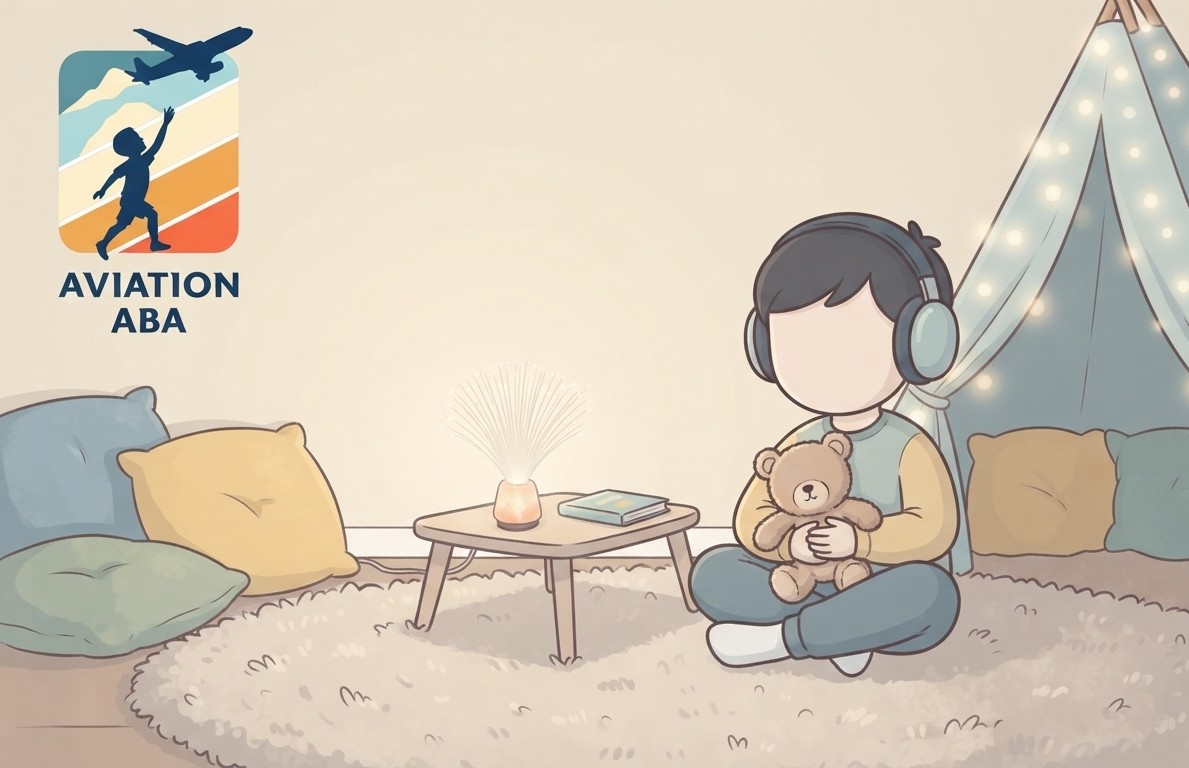
Every parent knows the unique weight of a tough afternoon. But when you live with a child whose nervous system acts like an open-air microphone in a thunderstorm, daily life looks a little different. You might be sitting in the living room trying to enjoy a quiet puzzle when a sudden kitchen appliance whirs to life, or the tag on a shirt rubs the wrong way, and suddenly the room shifts.
For many families, these intense moments are often misunderstood as stubborn behavior. In reality, they are deep neurological responses to sensory overload. When kids cannot filter out the buzzing lights, the chatter of a busy hallway, or the invisible friction of everyday textures, their bodies simply run out of battery. Research into sensory processing patterns, such as studies highlighted by the American Journal of Occupational Therapy, emphasizes how environment and sensory differences directly impact emotional regulation in children.
Finding effective calming strategies for autistic children isn’t about enforcing strict rules or managing obedience; it is about learning how to read the quiet warning signs before the storm hits and creating a sanctuary of safety right inside your home. Let’s look at fresh, compassionate ways to help your child find their peaceful anchor.
Key Takeaways
- Effective calming strategies for autistic children focus on reducing sensory overload, creating safe, quiet spaces, and offering deep pressure comfort.
- Meltdowns are a physical response to overwhelming sensory data or routine changes, not intentional misbehavior.
- Simple tools like deep breathing, weighted blankets, and fidget anchors can help reset a busy nervous system.
- Professional play-based therapy and parent coaching provide families with long-term, positive strategies to build emotional resilience.
- Approaching your child's big feelings with patience, empathy, and predictability fosters a warm, loving home environment where everyone can thrive.
Catching the Invisible “Yellow Lights” Before the Meltdown

- A child calming himself down
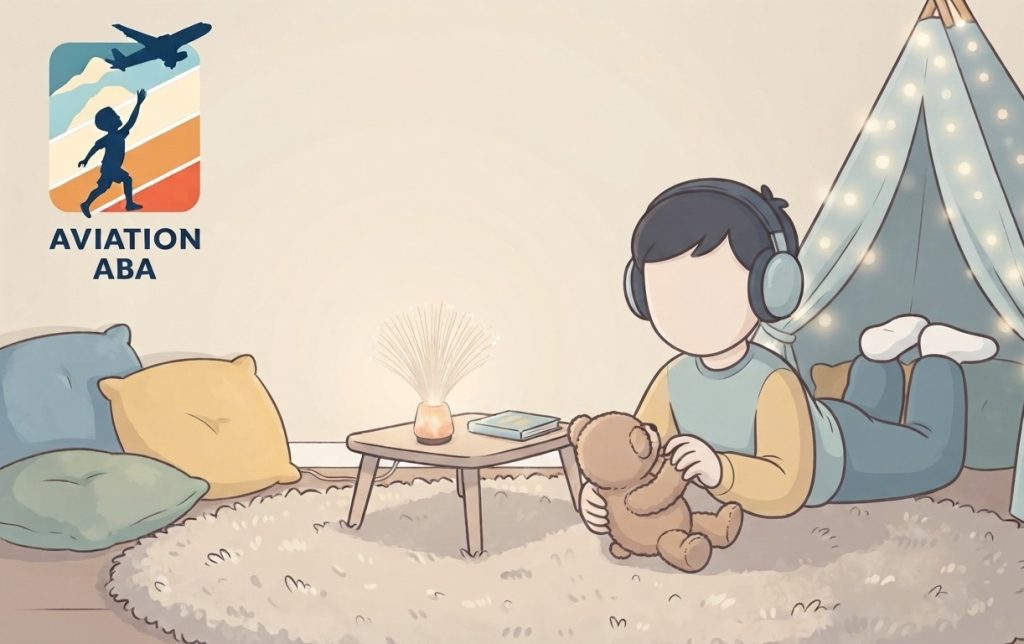
Long before a child reaches a full meltdown or a complete shutdown, their body gives off subtle warning signs. Think of these as yellow traffic lights. If we catch them early, we can gently change direction.
- Watch for sudden changes in posture, pacing back and forth, or repetitive body movements designed to burn off nervous energy.
- You might notice your child suddenly covering their ears with both hands, tightly pulling the hood of their sweatshirt over their eyes, or seeking out small, dark spaces under a table.
- When a child suddenly stops talking, answers in flat single-syllable whispers, or begins using a higher-pitched voice, it usually means their brain is working overtime just to process the environment.
Recognizing these tiny shifts allows parents to step in with proactive care rather than reactive management.
To understand how structured, play-based environments support these exact nervous system needs, exploring programs like clinic-based ABA therapy, in-home ABA therapy, and school-based ABA therapy can open up entirely new ways to look at your child’s daily support network.
Understanding Your Child’s Unique Profile and Therapy Pathways
Every child navigates the world differently, and understanding where your child’s specific experiences fit on the spectrum can completely change how you approach daily regulation. For instance, children who manage everyday environments with lighter support needs often benefit from the insights shared in our guide on level 1 autism. When families are first looking into diagnostic steps, understanding financial planning and what to expect can be clarified through our breakdown of the autism evaluation test cost.
Furthermore, when looking at how structured interventions bring long-term peace to the household, reviewing the core benefits of ABA therapy alongside a clear understanding of how ABA therapy works and types can give parents a wonderful roadmap for success.
Broad meta-analytic research on early behavioral interventions, such as the Project AIM synthesis published in Psychological Bulletin, provides valuable context on how individualized developmental strategies assist children in processing environmental changes.
Calming Strategies for Autistic Children and Best Approaches
When the world outside feels too loud, bright, and unpredictable, children need a physical space where their nervous system can completely power down. Traditional bedrooms filled with flashing toys, bright primary colors, and cluttered bookshelves can sometimes feel overstimulating rather than restful. Instead, try carving out a dedicated “low-demand zone” in a corner of your home:
- Turn off overhead fluorescent lights entirely and rely on warm, dim fairy lights or soft lamps.
- Keep a heavy quilt, a beanbag chair, or a specialized lap pad ready. Deep pressure acts like a comforting hug to an overactive nervous system, helping the brain register where the body is in space.
- Make sure this space has no rules, no screens requiring high focus, and no pressure to talk. It is simply a safe landing pad to breathe.
Conclusion
One thing that you should never forget is that you’re doing an excellent job figuring out the best future for your kids. If you ever feel like you still need further assistance, or if you have questions or want to explore how our team can support your child’s journey, please feel free to reach out and contact us today.
References:
- CDC.gov: Resources on autism
- Autism Speaks: Tools and support guide

Sarah McConkie is a Board Certified Behavior Analyst and Clinical Director at Aviation ABA with years of experience supporting children and families through individualized ABA therapy. She has worked across multiple clinical settings, conducting behavioral assessments, developing treatment plans, and supervising therapy teams to help children build important everyday skills. Sarah is passionate about creating supportive, relationship-focused care that helps children feel comfortable, confident, and successful in their daily lives.
