


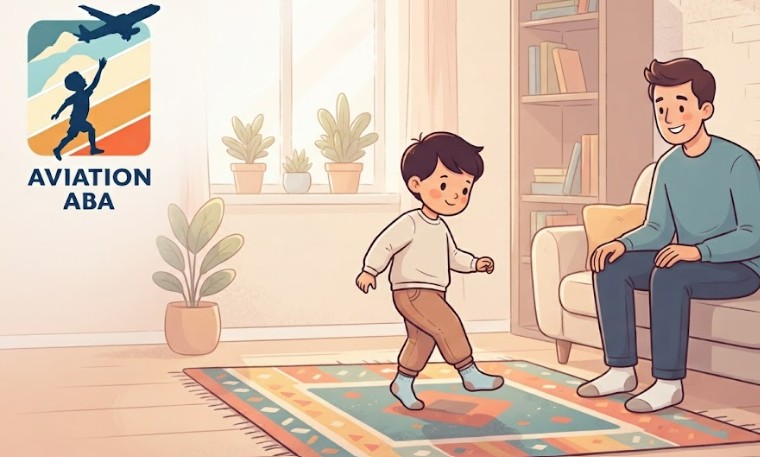
Have you ever looked down at the living room rug and noticed your child walking around gracefully on their tiptoes, almost like a little ballet dancer? It is a fascinating sight, and many families notice this unique habit during toddlerhood. If you have spent late-night hours researching online to figure out what autism toe walking means for your little one, take a deep, comforting breath. You are doing a wonderful job, and you are definitely not alone on this journey.
When families first visit our website, they might not have a clue what neurodiversity or behavioral support looks like. Think of your family’s path like exploring a brand-new landscape. Every child walks their own unique trail, and noticing a habit like tiptoe walking is just one small clue about how your child’s body and sensory system experience the world around them. Let’s take a friendly, gentle look at why tiptoes happen and how loving support can guide your child every step of the way.
Key Takeaways
- Understanding autism toe walking helps families view tiptoe habits through a lens of sensory regulation, muscle comfort, and excitement.
- Professional behavior interventionists and clinical teams work collaboratively to support healthy movement patterns and balance.
- Flexible therapy options can be seamlessly integrated across clinics, homes, and schools to match your family's unique daily schedule.
- Dedicated parent training and trusted pediatric resources empower families to guide their child's physical and developmental growth with confidence.
Why Does Tiptoe Walking Happen?
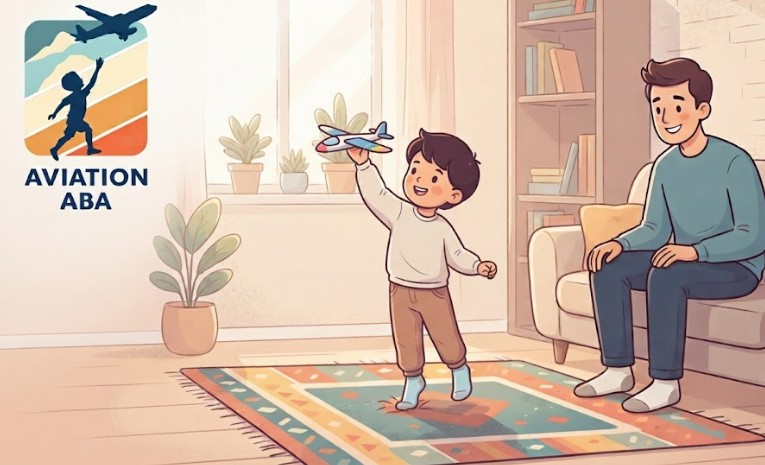
To understand why some children prefer walking on their toes rather than placing their whole foot flat on the floor, it helps to think about how the body and brain communicate. Every single person processes touch, balance, and movement differently. For many children, tiptoe walking comes down to a few gentle reasons:
- Some kids love the extra feedback that bouncing on their toes gives to their leg muscles and joints. It is a way for their nervous system to feel grounded.
- If calves or heel cords are naturally a bit tight, walking high up on the toes can feel much more comfortable than a flat-footed stride.
- When children get super excited about a favorite cartoon, a game, or a toy, their energy bubbles up, and they naturally pop right up onto their tiptoes!
While many toddlers go through a brief phase of tiptoe walking that they naturally outgrow, ongoing patterns can sometimes connect to how an individual experiences their environment. For instance, some children experience subtle differences in social communication and sensory processing, which you can read more about in our helpful guide on level 1 autism. For others, navigating daily surroundings requires a bit more structured, hands-on support, which is explored further in our overview of level 2 autism.
Whenever families start wondering about formal evaluations or developmental milestones, figuring out the financial and logistical steps can feel overwhelming, but our clear breakdown of the autism evaluation test cost helps make the process transparent and stress-free.
How Specialized Care Teams Help Support Your Child
When a physical habit like tiptoe walking impacts balance or comfort, having a compassionate team of specialists makes all the difference. But who are the friendly faces helping your family along the way?
In many developmental support settings, you will hear wonderful team members referred to as behavior coaches. To understand how these dedicated professionals partner with families to encourage positive habits and everyday motor skills, take a look at our detailed explanation of what a behavior interventionist is. These coaches work hand in hand with clinical supervisors to ensure every movement exercise and daily routine feels like fun, encouraging play rather than a chore.
If you are wondering how these supportive approaches look when brought directly into your daily routine, exploring various home-based autism therapy treatments can give you a wonderful window into cozy, familiar interventions that fit right into your household.
Why Addressing Tiptoe Walking Early Matters
When a child frequently walks on their tiptoes, parents often wonder whether it is just a passing phase or something that needs attention. Addressing physical habits early on can make a remarkable difference in your child’s overall comfort, posture, and joint health.
Over time, constant tiptoe walking can cause the calf muscles and Achilles tendons to become tight or shortened, which might eventually make flat-footed standing feel uncomfortable or straining. By partnering with developmental specialists early, families can introduce gentle stretching, playful physical activities, and positive reinforcement habits that encourage natural, comfortable foot movement while supporting long-term physical wellness.
Encouraging Healthy Foot Posture Through Play
Helping a child explore new ways of moving doesn’t have to feel like a tedious exercise routine; in fact, the best way for children to learn is through engaging, joyful play!
You can easily weave fun, feet-flat activities into your daily household routines. Try playing games that require “stomping like a giant dinosaur” or “walking like a heavy bear” across the living room carpet. Walking on different sensory textures, such as soft grass, squishy mats, or bumpy paths, can also encourage the nervous system to send new feedback signals to the feet. When children associate flat-footed movement with laughter, fun games, and family bonding, building healthy new habits becomes an exciting adventure for everyone.
Conclusion
Parenting is a beautiful, messy, and deeply rewarding adventure, and you certainly do not have to figure everything out by yourself. If you have questions about your child’s walking patterns, daily routines, or want to explore how our warm team can partner with your family, please feel free to reach out and contact us today!
References:
- National Institutes of Health (PMC): Evaluating a Treatment Package to Reduce Toe Walking

Sarah McConkie is a Board Certified Behavior Analyst and Clinical Director at Aviation ABA with years of experience supporting children and families through individualized ABA therapy. She has worked across multiple clinical settings, conducting behavioral assessments, developing treatment plans, and supervising therapy teams to help children build important everyday skills. Sarah is passionate about creating supportive, relationship-focused care that helps children feel comfortable, confident, and successful in their daily lives.
