


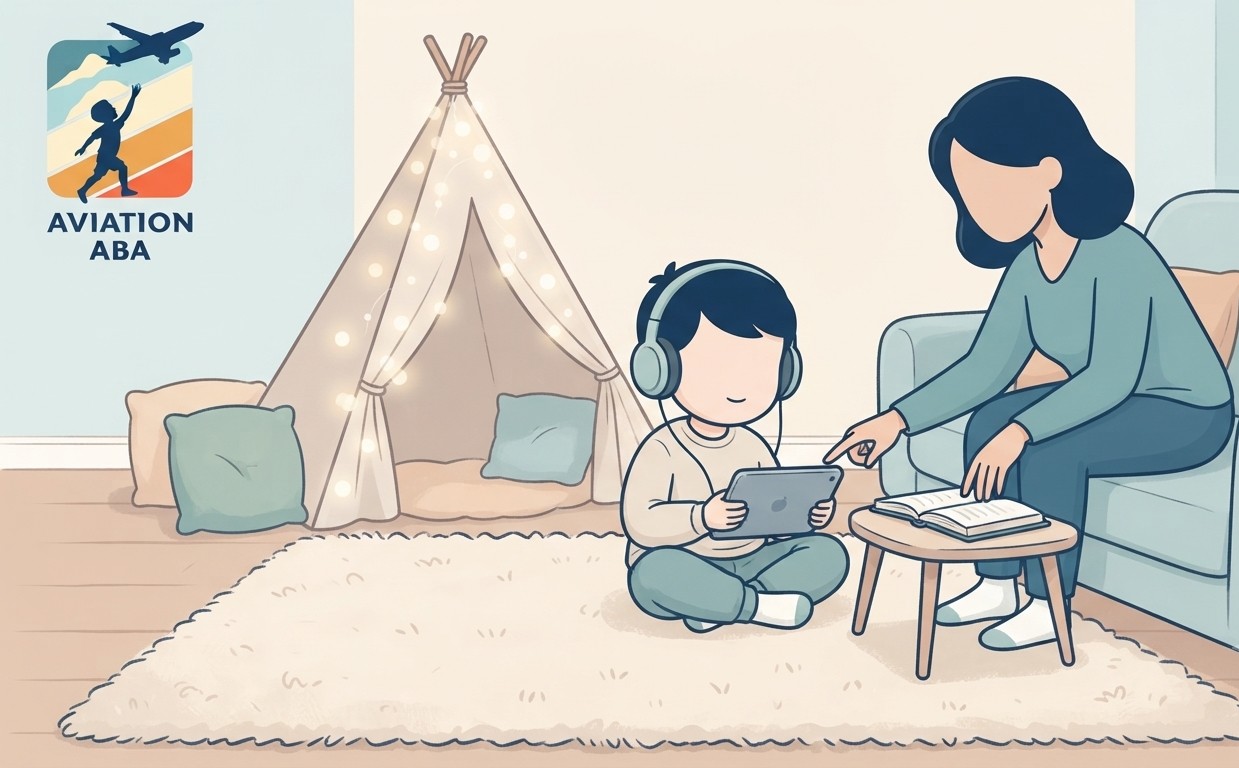
Have you ever noticed how the glowing screen of a tablet can instantly transform a chaotic afternoon into absolute quiet? For busy parents managing a household, handing over a digital device often feels like a welcome exhale during a tiring day.
For many autistic children, however, screens are much more than just a quick distraction or a way to watch a favorite cartoon. They represent a predictable, safe, and deeply comforting escape from an overwhelming physical environment.
If you have spent late nights searching online to understand the delicate balance of autism and screen time, please take a deep, reassuring breath. You are doing an incredible job. Let’s explore how digital habits connect to your child’s unique way of experiencing the world and how you can guide them with warmth and confidence.
Key Takeaways
- Managing autism and screen time is all about understanding why digital devices offer autistic children comfort, predictability, and sensory regulation.
- Sudden screen shutdowns can trigger intense meltdowns; using visual timers and transition bridges helps ease the shift back to reality.
- Professional play-based therapies and parent coaching provide families with sustainable, positive strategies for daily routines.
- Accessing authoritative pediatric resources helps parents make confident, balanced choices regarding digital media use.
What Does Autism Mean in Simple, Everyday Language?
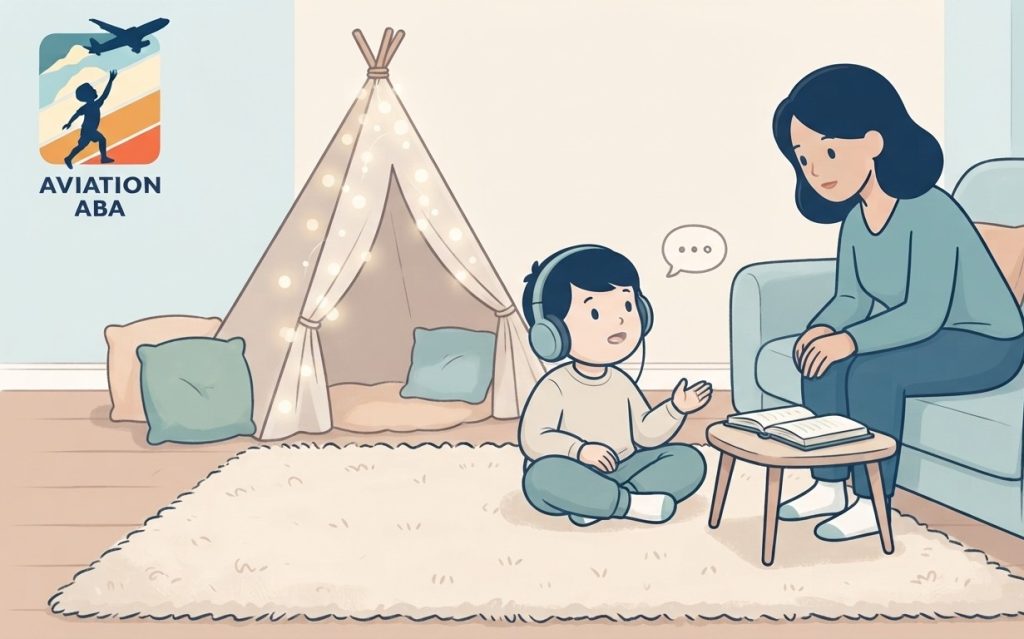
Before we talk about video games, tablets, and television shows, let’s start right at the beginning. If someone visits our website with zero clue what autism is, we want them to feel entirely welcomed, safe, and fully informed.
Think of the human brain as a magnificent, high-speed control center. While some brains filter out background sounds, bright lights, and sensory textures automatically, an autistic brain often experiences the world at maximum volume. Sounds can feel sharper, everyday clothes can feel scratchy, and changes in the daily routine can feel like a sudden drop on a roller coaster.
Because every single brain is entirely unique, autism shows up differently in every child:
- Some children navigate daily routines with minimal assistance, mastering schoolwork and communication while experiencing subtle differences in social interactions, as described in our guide on level 1 autism.
- Other children benefit from more structured, hands-on daily support to help them navigate environments and transitions with confidence.
When families are first exploring diagnostic steps, understanding financial planning and what to expect can be clarified through our breakdown of autism evaluation costs. No matter where a child falls on the spectrum, understanding their unique perspective helps us guide their digital habits with empathy.
Why Autistic Children Are So Drawn to Screens
Have you ever wondered why screens seem to hold such a powerful, magnetic grip on children? For many autistic kids, digital devices offer a uniquely comforting escape from an overwhelming physical world.
- Real-life social interactions can feel unpredictable and confusing. On a screen, the rules never change. Characters repeat the same phrases, and buttons respond instantly.
- Autistic brains are famous for developing deep, joyful passions. If a child loves trains, numbers, or specific animations, YouTube and tablet games offer an endless library of their favorite things.
- The glowing lights and rhythmic sounds can act as a soothing anchor when a child’s nervous system feels fried from a busy day at school.
Managing Autism and Screen Time
Screens are simply a part of modern childhood that requires thoughtful boundaries. When digital time isn’t managed carefully, turning off a tablet can trigger massive meltdowns because the transition from a hyper-focused digital world back to reality is jarring for a sensitive nervous system.
To help keep digital routines healthy and happy, try these gentle strategies at home:
- Use Visual Transitions: Instead of suddenly snatching a tablet away (which causes panic), use a visual countdown clock so your child can physically see time passing. Pair screen shutdown with a favorite comfort activity, like grabbing a heavy blanket or having a snack together.
- Co-Watch and Engage: Sit down and watch together. Talk about the characters, ask questions, and turn a solo habit into a shared bonding moment. As outlined by NewYork-Presbyterian Health Matters, active parental engagement and co-viewing help children better process digital content and foster healthier communication.
- Maintain Balance: Landmark developmental tracking such as the National Institutes of Health (NIH) Adolescent Brain Cognitive Development (ABCD) Study continues to research how digital media environments influence childhood behavior. Additionally, peer-reviewed findings in systematic evaluations like this NIH National Library of Medicine Review on Screen Time and ASD highlight the importance of balancing daily device exposure to support cognitive milestones and smooth transitions.
To understand how structured, play-based interventions support emotional regulation and positive habit-building, review our detailed guide on how ABA therapy works and types. When families implement consistent, positive routines, the long-term benefits of ABA therapy shine through in how children handle daily transitions, including putting devices away.
How to Find the Best Support For Your Kid
When screen battles, transitions, and daily routines feel overwhelming, remember that you do not have to navigate them alone. Partnering with a dedicated, compassionate team of professionals can completely transform your family’s daily flow.
Modern therapeutic support can be seamlessly integrated wherever your child feels most comfortable. Whether your child thrives in the engaging environment of clinic-based ABA therapy, feels safest learning during in-home ABA therapy, or benefits from consistent assistance integrated directly through school-based ABA therapy, professional care adapts entirely to your child’s world.
Is It Necessary for Me to Learn?
Remember that consistency at home will end up making all the difference. That is why ABA parent training is so profoundly important, giving parents practical, positive strategies to establish healthy daily boundaries, including screen routines. Additionally, if your afternoons are packed with activities, flexible after-school ABA therapy will make sure that your child receives steady, encouraging support right when they need it most.
Conclusion
Parenting comes with plenty of messy moments, trial-and-error days, and small victories worth celebrating. You certainly don’t have to figure out screen routines or daily transitions all by yourself. Whether you just want a friendly sounding board or are looking for professional guidance that fits your family’s unique rhythm, we are right here to help. Reach out and contact us whenever you are ready to chat!
References:
- National Institutes of Health (NIH): Screen Media Exposure and Neurodevelopmental Research
- Zero to Three: Early Childhood Development and Digital Media Guidelines

Sarah McConkie is a Board Certified Behavior Analyst and Clinical Director at Aviation ABA with years of experience supporting children and families through individualized ABA therapy. She has worked across multiple clinical settings, conducting behavioral assessments, developing treatment plans, and supervising therapy teams to help children build important everyday skills. Sarah is passionate about creating supportive, relationship-focused care that helps children feel comfortable, confident, and successful in their daily lives.
