



If your autistic child or family member communicates in ways others do not always understand, augmentative and alternative communication (AAC) may offer more ways to share ideas, needs, and choices. AAC autism includes strategies and tools for people who use speech, gestures, pictures, signs, or devices. It does not require someone to stop using speech.
Key Takeaways
- AAC can be unaided, such as gestures, or aided, such as picture boards and speech-generating devices.
- A speech-language pathologist (SLP) usually leads AAC assessment, with input from the person, family, and other professionals.
- Device access, funding, and support should be planned across settings and life stages.
How AAC Assessment and Communication Options Work

An AAC assessment looks at how a person communicates, what they want to express, and what supports help them communicate in different settings. An SLP may consider language, vision, hearing, movement, sensory preferences, and access to technology. The person’s goals and preferences matter too. Assessment should not rely on speech ability alone.
AAC can be:
- Unaided: gestures, facial expressions, or sign language, which do not require equipment.
- Aided: picture cards, communication boards, or a speech-generating device (SGD), which produces spoken output.
Some people use several options. Picture Exchange Communication System (PECS) and Language Acquisition through Motor Planning (LAMP) are examples of approaches used in some AAC programs. The right tools depend on the person, not a single label or method. Everyday shared activities, including parallel play, can offer natural opportunities to communicate.
Who Supports AAC?
The SLP typically coordinates assessment, helps select and personalize tools, and supports communication goals. A multidisciplinary team may also include occupational therapists, educators, physicians, behavior professionals, and family members. Occupational therapists can advise on positioning or physical access. Teachers and job coaches can help make AAC available during learning and work.
Primary care clinicians and neurologists can ask how a person communicates, make room for their device during appointments, and refer to an SLP when AAC needs are not being addressed. Team members should respect the person’s choices and communication style. Assent-based support and good provider pairing can help build trust without making device use a condition for participation.
Planning for Adulthood, Work, and Funding
As a young person approaches adulthood, families can plan for continuity of AAC support. Discuss adult SLP services, vocational goals, independent living routines, and who will help maintain the device. In a professional setting, reliable AAC access can support self-advocacy, collaboration, and social connection. It may also feel personal or tiring to use, so ask the person what support they want and when.
Funding for high-tech SGDs varies by insurance plan and other available programs. An SLP’s assessment and documentation may be needed, but approval is not guaranteed. Ask the insurer or funding program about eligibility, required paperwork, repair coverage, and replacement rules.
Keeping AAC Available in the Community
Agree on a backup plan for low battery, broken mounts, software problems, or a device left at home. Keep charging accessories accessible, learn basic troubleshooting, and know who to contact for repairs. A paper board or printed core words can help maintain communication during outages.
AAC works best when it is available, respected, and supported across daily life. A family can start by asking an SLP for an assessment and connecting with a broader autism support network for practical guidance.
References
- PubMed: A systematic review of research into aided AAC to increase social-communication functions in children with autism spectrum disorder
- PubMed: Effects of Interventions Involving Tablet-Based Speech-Generating Devices for Individuals with ASD: A Meta-analysis
- National Library of Medicine: Augmentative and Alternative Communication and Speech Production for Individuals with ASD: A Systematic Review
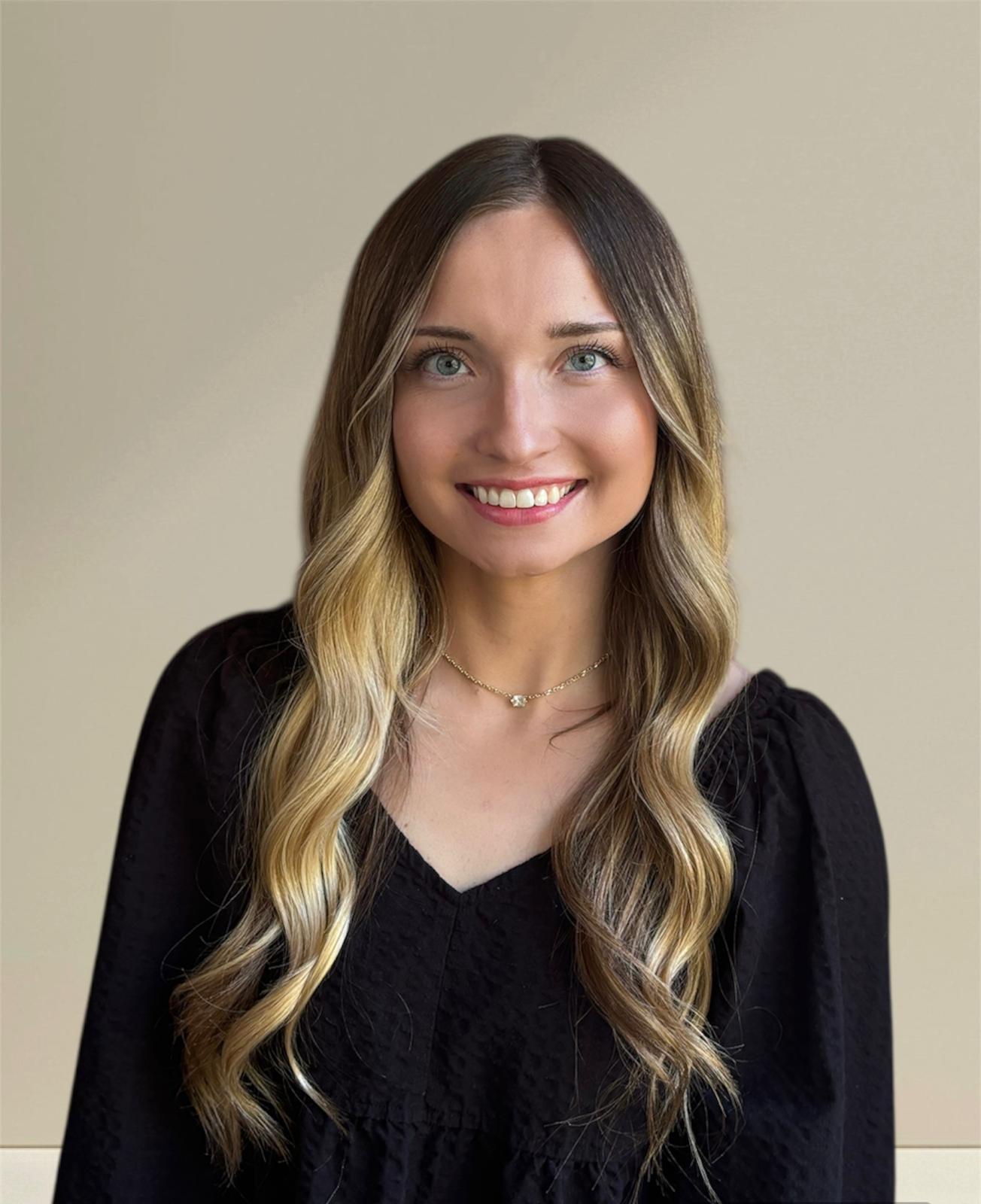
Sarah McConkie is a Board Certified Behavior Analyst and Clinical Director at Aviation ABA with years of experience supporting children and families through individualized ABA therapy. She has worked across multiple clinical settings, conducting behavioral assessments, developing treatment plans, and supervising therapy teams to help children build important everyday skills. Sarah is passionate about creating supportive, relationship-focused care that helps children feel comfortable, confident, and successful in their daily lives.
