


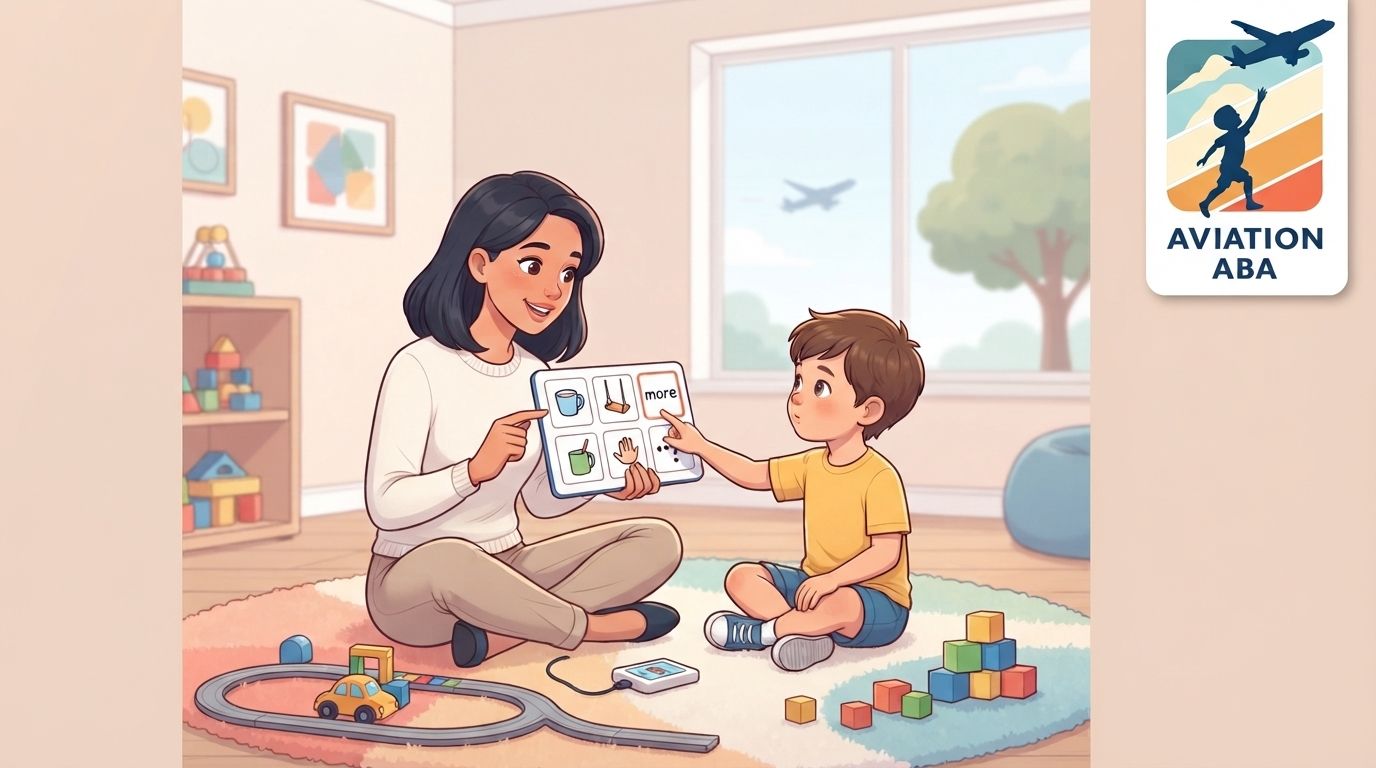
If your child struggles to ask for help, join play, understand social cues, or manage big feelings, it is very natural to wonder whether ABA therapy can help. Applied Behavior Analysis (ABA) uses structured teaching, positive reinforcement, and careful progress tracking to build practical communication and social skills in everyday life. Let’s learn and see how effective ABA therapy is for social communication.
Key Takeaways
- ABA therapy can support social communication, functional language, emotional regulation, and daily interaction skills.
- Progress depends on the child’s needs, goals, therapy quality, family involvement, and consistency across settings.
- Board Certified Behavior Analysts (BCBAs) design treatment plans, while Registered Behavior Technicians (RBTs) often help carry them out.
- ABA should be individualized, respectful, and focused on meaningful skills, not changing who a child is.
How ABA Therapy Supports Social and Communication Skills
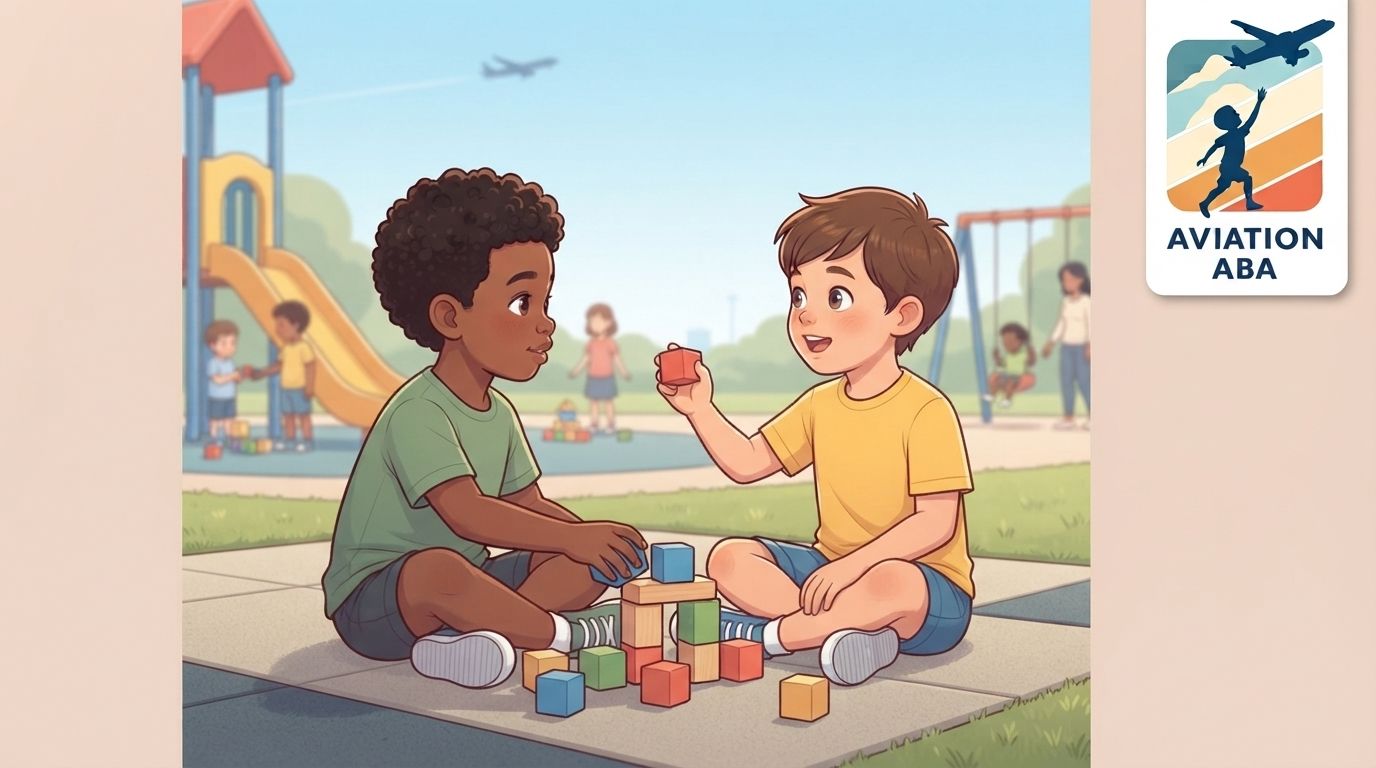
At its core, ABA looks at how behavior works and how children learn from their environment. In simple terms, therapists identify what a child is trying to communicate, teach a helpful replacement skill, and reinforce that skill when the child uses it.
For example, if a child screams because they cannot ask for a toy, the goal is not simply to “stop screaming.” A supportive ABA plan may teach the child to point, use a picture, sign, or say a word instead. This is where Functional Communication Training (FCT) can be especially helpful.
Research continues to study ABA outcomes, including social communication and adaptive skills, as shown in recent reviews from PMC research and ABA-focused findings indexed on PubMed.
ABA may target:
- Expressive language, such as asking, labeling, or answering.
- Receptive language, such as following directions or understanding questions.
- Social cues, such as turn-taking, waiting, or noticing another person’s response.
- Non-verbal communication, such as gestures, eye gaze, or body language.
- Emotional regulation, such as asking for a break before becoming overwhelmed.
If your child has higher support needs, this guide on low functioning autism may offer helpful background.
Common ABA Methods Used for Skill Building
Different children learn in different ways, so ABA is not one single activity.
Discrete Trial Training (DTT)
Discrete Trial Training (DTT) breaks a skill into small, clear steps. A therapist may teach matching, imitation, requesting, or following directions in short teaching moments.
Natural Environment Training (NET)
Natural Environment Training (NET) teaches skills during play, meals, dressing, or other everyday routines. This can make communication feel more useful and natural for the child.
Functional Communication Training (FCT)
FCT focuses on replacing challenging behavior with safer, clearer communication. For many families, this is one of the most meaningful parts of therapy because it helps children express needs in a way others can understand.
Who Creates and Delivers the ABA Plan?
A Board Certified Behavior Analyst (BCBA) typically evaluates the child, sets goals, writes the treatment plan, and monitors progress. Registered Behavior Technicians (RBTs) often provide direct therapy under BCBA supervision.
If you are learning about therapy team roles, this explanation of a behavior interventionist can help clarify who may be working with your child.
Generalization: Helping Skills Work Beyond Therapy
A skill is most useful when a child can use it in more than one place. This is called generalization.
For instance, a child may learn to request “help” during therapy, then practice using that same skill with a parent, sibling, teacher, or babysitter. ABA plans often include practice across people, rooms, toys, routines, and community settings.
ABA, Speech Therapy, OT, and Other Supports
ABA often works best as part of a coordinated care plan. Speech therapy may focus more directly on language, articulation, and communication systems. Occupational therapy may support sensory needs, fine motor skills, and daily living routines.
ABA can complement these services by helping children use skills consistently during real-life moments. If you are comparing options, this guide on ABA vs speech therapy may be useful.
Insurance can also affect what families can access, so you may want to review whether UnitedHealthcare covers ABA if that applies to your family.
A Neurodiversity-Affirming View of ABA
Some families have concerns about ABA, and those concerns deserve to be heard. Modern, ethical ABA should not try to erase personality, force masking, or make a child appear “less autistic.” The focus should be on safety, communication, independence, choice, and comfort.
A good ABA team should welcome parent questions, respect the child’s needs, and adjust goals when something is not working. ABA can also support adolescents and adults, especially with communication, self-advocacy, daily living, and community participation, though much of the research and service availability still focuses on young children.
Final Thoughts
ABA therapy can be effective for improving social and communication skills when it is individualized, respectful, and connected to real life. The best plans teach skills that matter at home, school, and in the community.
If you are unsure whether ABA is the right fit, a good next step is to ask for an evaluation and talk through your child’s goals, strengths, and daily challenges with a qualified provider.
References
- MDPI: From Harm to Healing: Building the Future of ABA with Autistic Voices
- National Library of Medicine: Applied Behavior Analysis in Children and Youth with Autism Spectrum Disorders

Sarah McConkie is a Board Certified Behavior Analyst and Clinical Director at Aviation ABA with years of experience supporting children and families through individualized ABA therapy. She has worked across multiple clinical settings, conducting behavioral assessments, developing treatment plans, and supervising therapy teams to help children build important everyday skills. Sarah is passionate about creating supportive, relationship-focused care that helps children feel comfortable, confident, and successful in their daily lives.
