


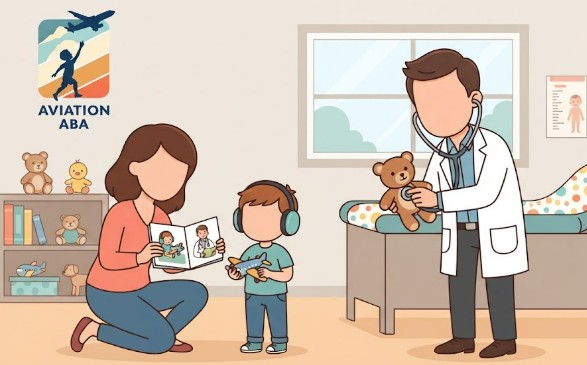
Few experiences end up testing a parent’s patience like that of a routine trip to the pediatrician’s office. Think about a waiting room that is filled with white lights, antiseptic smells, and unfamiliar people (we would get overwhelmed too). And for any young kid, it can feel really overwhelming. But, for an autistic kid who experiences the world through a sensitive lens, that same waiting room can feel like a sensory storm.
If you are a parent sitting at home wondering how you are ever going to get through a routine physical exam without a meltdown, take a deep, comforting breath. You are definitely not alone on this journey. Preparing an autistic child for a doctor visit takes a little extra planning, plenty of empathy, and some creative storytelling, but it can transform a day of tears into a smooth and empowering experience for the whole family.
Key Takeaways
- Preparing an autistic child for a doctor visit involves proactive steps like playing doctor at home, using visual schedules, and packing a sensory comfort bag.
- Doctor offices often trigger sensory overload due to bright lights, loud noises, and unfamiliar physical touch.
- Calling ahead to arrange a quiet waiting space can drastically reduce anxiety before the appointment even begins.
- Professional resources, play-based ABA therapy, and parent coaching provide families with long-term tools to build resilience and ease stress.
- Approaching medical visits with patience, predictability, and love helps turn a scary experience into a manageable routine.
What Does Autism Look Like in Daily Life?
Before we look at just how you can master medical appointments, let’s take a step back. For a kid, autism can be very stressful, as their brains tend to take everything in at maximum volume. A sudden medical tool, a cold stethoscope against the skin, or a stranger speaking in a loud voice can trigger a massive wave of anxiety.
Autism manifests in unique ways for every child, spanning different degrees of support needs. For instance, some children experience milder communication hurdles, which you can read about in guides covering level 1 autism. Other children may require more substantial, hands-on daily support, similar to what families navigate when learning about level 2 autism. No matter where a child falls on the spectrum, their unique processing style deserves patience and understanding, especially while preparing an autistic child for a doctor visit
Why Doctors’ Visits Feel So Tricky for Sensory-Sensitive Kids
In order to make a medical checkup successful while preparing an autistic child for a doctor’s visit, it can really help to understand why doctors’ offices are difficult environments for neurodivergent children. Mostly, doctors’ offices are filled with unpredictable sounds, bright lights, and required physical touch.
When an autistic child’s nervous system goes into overdrive, they might express their stress physically. You might notice them moving their hands rapidly when they feel anxious, which is a direct, common response you can explore further in our guide on hand flapping in autism.
Also, sitting on a crinkly paper table while a stranger in a white coat approaches with unfamiliar metal instruments can feel genuinely frightening if a child doesn’t know what to expect. These reactions are completely natural responses to an overwhelming environment, much like the varied behavioral signs families notice when evaluating high-functioning autism symptoms during everyday play.
Step-by-Step Tips for a Peaceful Doctor Visit
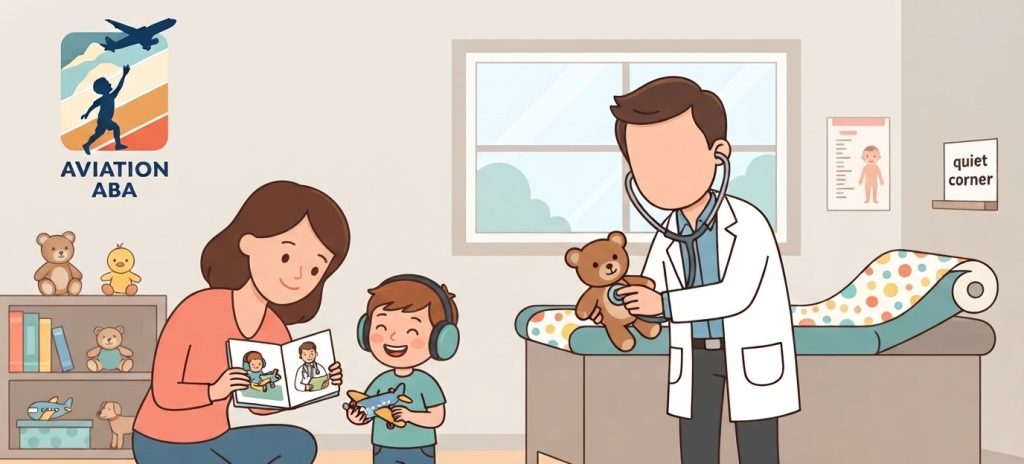
Making medical checkups easier is really all about practice and preparing your children. Here are some tips to make it easier for them. Weeks before the actual appointment, grab a toy medical kit. Practice listening to a teddy bear’s heartbeat, looking into a stuffed animal’s ears, and gently pressing on their tummy. Turning medical tools into toys takes away the fear of the unknown.
Also, use illustrated books or picture schedules that walk through every single step of the doctor’s visit, from walking through the front door and sitting in the waiting room to getting measured and meeting the friendly nurse.
Apart from that, bring along their absolute favorite items. Noise-canceling headphones, a soft weighted blanket, a beloved fidget toy, or a tablet with their favorite show can act as an anchor during stressful moments. You can also try to speak with the clinic receptionist before you arrive. Many medical offices are happy to let you skip the busy waiting room by waiting in your car until the doctor is ready to see you.
Ways to Keep Them Distracted While Preparing an Autistic Child for a Doctor Visit
Even with the best preparation at home, the actual moment of the doctor’s examination can still introduce unexpected waiting times or sudden stressful moments. Having a toolkit of clever distractions can make all the difference in keeping your child’s nervous system calm and centered. Slip on their favorite noise-canceling headphones and play an engaging audio story or a comforting song. This instantly blocks out the distracting hum of medical equipment and the chatter in the hallways.
Hand them a complex puzzle toy, a squishy sensory ball, or a tactile pop-it toy. Keeping their hands busy gives their brain a safe, focused anchor while the pediatrician listens to their heart or checks their ears. Turn the exam room into a fun scavenger hunt. Ask them to spot things on the walls, count the ceiling tiles, or find every shade of blue in the room to shift their attention away from the medical tools.
How to Reach Out for Support
When routine tasks like medical checkups, grocery shopping, or bedtime routines feel like uphill battles, you don’t have to carry the weight all by yourself. Partnering with skilled, compassionate professionals can completely change your family’s daily rhythm.
Modern, play-based therapy helps children develop coping tools, emotional regulation, and communication strategies so they can navigate the world with less stress. Whether your child thrives in the engaging setup of clinic-based ABA therapy, feels most secure during in-home ABA therapy, or benefits from consistent assistance put right into their day with school-based ABA therapy, professional care can be completely customized to your child’s needs.
Conclusion
Remember that you’re doing an excellent job advocating for your child while you’re building a support environment for your family. If you need any further assistance or have questions about navigating milestones, or just need a helping hand, please feel free to contact us while preparing an autistic child for a doctor visit.
References:
- ChildMind Institute’s complete guide to autism
- ChildMind Institute’s what should an evaluation for autism look like?
- PAAutism’s preparing your child for a visit to the doctor

Sarah McConkie is a Board Certified Behavior Analyst and Clinical Director at Aviation ABA with years of experience supporting children and families through individualized ABA therapy. She has worked across multiple clinical settings, conducting behavioral assessments, developing treatment plans, and supervising therapy teams to help children build important everyday skills. Sarah is passionate about creating supportive, relationship-focused care that helps children feel comfortable, confident, and successful in their daily lives.
