


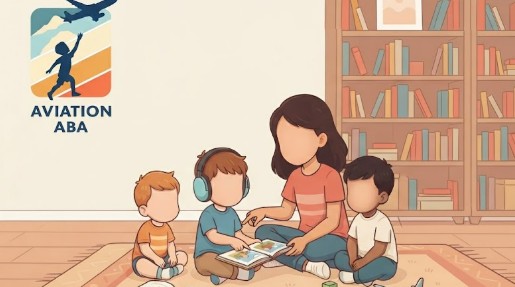
Growing up with a brother or a sister is the messiest and most wonderful adventure. You basically get to share inside jokes, build giant fortresses, and sometimes even argue over who gets the last piece of pie. But what happens when your child looks at their sibling and notices things working just a little bit differently?
Maybe big brother flaps his hands when he feels super excited, or little sister covers her ears tightly and hides under a blanket when the kitchen blender starts whirring. If you are a parent sitting at the kitchen table wondering how to help your children understand each other, you are not alone.
Finding the right words for explaining autism to siblings can feel a bit daunting, but research into family dynamics, such as findings highlighted by the University of Warwick Centre for Educational Development Appraisal and Research (CEDAR), shows that open conversations are a golden opportunity to build a lifetime of deep empathy, kindness, and teamwork.
Whether your family is brand new to the world of neurodiversity or you are simply looking for a fresh, friendly way to chat with your kids, this guide is here for you. Let’s walk through how to open up this conversation with warmth and simplicity.
Key Takeaways
- Explaining autism to siblings starts with using simple, positive language that frames neurological differences like a unique operating system.
- Brothers and sisters often have a mix of curious, protective, or complex feelings that deserve to be heard and validated.
- Answering kids' questions honestly helps prevent misunderstandings and builds deep, lifelong empathy.
- Professional support, such as play-based ABA therapy and parent coaching, helps entire families learn how to communicate and thrive together.
- Utilizing trusted children's educational resources makes talking about neurodiversity fun and engaging.
What Does “Autism” Mean in Kid-Friendly Worlds?
Basically, anytime we talk about family dynamics, we need to always start with the basics. If a child walks onto our website with zero clue what autism is, we want them to feel safe and informed right away.
Think of the human brain like a giant, colorful box of crayons. Every single person has a completely unique set of colors they use to draw their picture of the world. Some brains are wired to filter out background noise and bright lights instantly. And other brains that are basically autistic brains will take in sights, sounds, and even feelings at insane volume.
It tends to remind us that no two brains are exactly alike, and because there are different types of autism, kids will quickly learn that being autistic can mean shining at math, loving specific routines, or needing a quiet space to recharge.
Why Brothers and Sisters Notice the Little Things

- Children understanding their sibling better
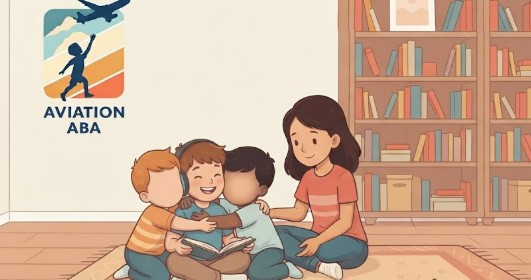
Children are naturally curious detectives. They notice when their sibling gets extra help with a homework assignment, uses special noise-canceling headphones at a noisy birthday party, or communicates using pictures instead of words.
Sometimes, brothers and sisters might feel a mix of big feelings about this. Clinical and developmental evaluations, such as research examining sibling relationships and adjustment when one child has autism, indicate that siblings may experience a mix of protective pride alongside moments of confusion or feelings of adjustment. That is completely normal! Creating an open space to talk about these differences stops confusion from turning into worry.
You might end up noticing a few physical cues around the house, too. What could be an example? Well, children often move their hands rapidly when they feel overjoyed or overwhelmed, which could be a sign of autism.
Understanding these actions helps siblings realize that body movements are just another way the body talks when words are too hard to find. These unique communication styles can span across a wide spectrum, similar to what families encounter when looking at high-functioning autism symptoms.
Simple Steps to Start a Conversation
One thing to always remember is that you don’t really need a medical degree or a complicated speech to talk to your kids. In fact, the best conversations happen naturally during everyday moments, like playing a board game or sharing a snack. Here are a few warm tips to guide you
- Frame the differences as a cool superpower or a different way of experiencing the world, rather than something “wrong.”
- On top of that, let your children know that no question is off-limits. If they ask why their sibling gets a special toy or needs quiet time, answer honestly and gently.
- Also note that you should always acknowledge that having a sibling with extra needs can sometimes feel tricky, and reassure them that their feelings of frustration or love are both completely valid.
Why Support Is So Important
Anytime families are learning how to balance different needs under one roof, getting a little extra guidance can make everyday life feel smoother and much more joyful. Modern therapy will always help children to build communication skills so everyone can understand each other better.
Depending on what fits your family’s daily routine, expert care can happen right where your child feels most comfortable. Whether you prefer the engaging environment of clinic-based ABA therapy, the cozy familiarity of in-home ABA therapy, or smooth support integrated seamlessly through school-based ABA therapy, professional teams work hand-in-hand with your family.
Why You Should Also Consider Gaining More Knowledge
Supporting a child who is rather neurodivergent is a team effort that involves every member of the family. That is why ABA parent training is so invaluable, as it gives parents practical tools to foster positive communication and harmony at home.
Also, remember that if your afternoons are packed with school activities, flexible after-school ABA therapy will basically make sure that your child gets consistent support without disrupting your family dinner routine.
Conclusion
You’ll always be doing an amazing job trying your best to build an inclusive home for your children by explaining autism to siblings. If you have any questions about supporting your family, we’re right here to help you every step of the way!!
References:
- Family and sibling support resources in Autism Society
- See amazing in all children by Sesame Street

Sarah McConkie is a Board Certified Behavior Analyst and Clinical Director at Aviation ABA with years of experience supporting children and families through individualized ABA therapy. She has worked across multiple clinical settings, conducting behavioral assessments, developing treatment plans, and supervising therapy teams to help children build important everyday skills. Sarah is passionate about creating supportive, relationship-focused care that helps children feel comfortable, confident, and successful in their daily lives.
