


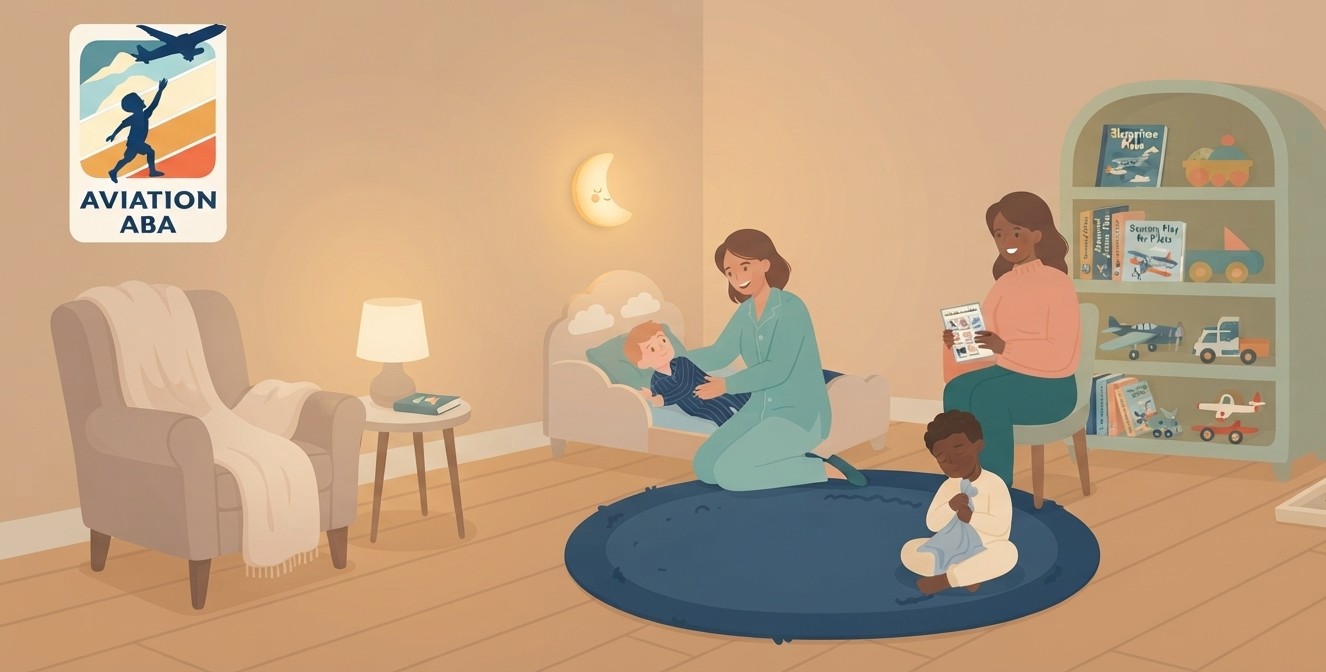
If you’re reading this, then chances are that you’re absolutely running on about three hours of sleep, a cold cup of coffee, and a never-ending cup of love. Bedtime in your house might feel like a nightly marathon that leaves everyone feeling exhausted and ready to cry. If getting your child to sleep feels like an impossible puzzle, then it’s okay; take a deep breath. You’re not doing anything wrong.
When people first start figuring out about neurodiversity, they often realise just how deeply connected autism and sleep problems really are. For many children, drifting off to dreamland isn’t just as simple as closing their eyes and going snork mimimi. Their brains and bodies experience the world differently, which can make nighttime feel overwhelming instead of relaxing.
In our guide, we will break down just why bedtime can be so tricky and how you can bring some peace to the average nightly routine.
Key Takeaways
- Autism and sleep problems are deeply linked due to biological factors like lower melatonin and sensory processing differences.
- Understanding your child’s unique neurological wiring helps you shift from frustration to empathy at bedtime.
- Professional guidance and structured routines can completely transform chaotic nights into peaceful transitions.
- Empowering yourself through parent training gives you the tools to manage bedtime resistance with confidence.
What is Autism, Really?
If you’re completely new to these terms, then let’s clear away all the complicated medical jargon. Autism (Autism Spectrum Disorder) is simply a different way of experiencing and processing the world.
Think of it like a computer operating system. Most people tend to run on one type of system, but autistic individuals run on a unique system. They might notice sounds that you tune out, feel fabrics that you don’t even notice, or find comfort in predictable routines. Because their senses are processing so much information all day long, winding down at night can be genuinely difficult.
Every single child’s experience is unique on the Autism Spectrum Wheel, and understanding that your child’s brain works differently is the first step towards figuring out how to help them feel ready for sleep.
Why Do Autism and Sleep Problems Go Hand-in-Hand?
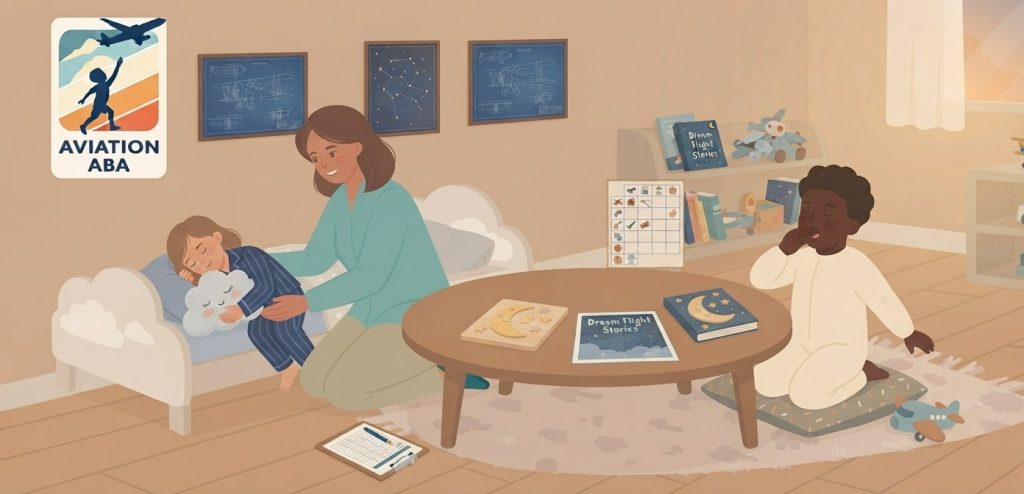
So, let’s see why bedtime is such a battleground. Well, there are a few very real, very physical reasons why children on the spectrum might struggle with sleep:
- Our bodies naturally produce a hormone called melatonin that tells us it’s time to sleep. Many autistic children actually produce much less melatonin or produce it later in the evening, meaning that their bodies simply don’t get that natural “I’m sleepy” signal on time.
- Imagine trying to sleep while your pajamas feel like sandpaper, or the fridge sounds like an engine. Sensory sensitivities can easily keep a child’s nervous system on high alert.
- Transitioning from the fun of the day to the quiet part of night is a massive shift for their brains. For kids who go after routine, moving into the darkness of a bedroom can genuinely feel scary.
If you’re ever wondering whether your child’s sleep struggles are part of a broader picture, then you might find it really helpful to read up on common high-functioning autism symptoms or on low-functioning autism symptoms.
What to Do When You Don’t Have the Answers Yet
If you’re lying awake at night and wondering if your child’s sleeping habits and daily behaviours point towards autism, then you might feel a heavy weight on your chest. You might not even have a formal diagnosis yet.
But please know that you don’t have to figure all of this out tonight. If you’re looking for clarity, then perhaps your first step is talking to professionals who can actually point you in the right direction. You can read our guide on who can diagnose autism to understand which pediatricians, psychologists, or specialists are qualified to give you real answers.
How Therapy Can Help with Sleep
When sleep problems carry over into the night, it starts taking a heavy toll on parental mental health. This is why the good news is that you don’t ever need to navigate this alone, as ABA therapy, when practiced with a play-based approach, can easily do wonders for establishing bedtime routines.
Depending on what works best for your family’s rhythm, support can happen seamlessly wherever you need it most. Whether your child is best in the structured environment of clinic-based ABA therapy, feels safest within home-based ABA therapy, or even needs consistency built through school-based ABA therapy, professional teams will build long-lasting habits.
Putting Parents in the Driver’s Seat
Therapists only spend a few hours a week with your child, so remember that you are the expert who tucks them in every single night. That is why ABA parent training is so vital, as it equips with gentle strategies to handle bedtime resistance, soothe sensory overload, and create a visual schedule that will make bedtime feel safe.
If your days are already packed tight, many providers also offer after-school ABA therapy to help bridge the gap between the end of the school day and bedtime, ensuring your child transitions smoothly without getting overtired.
Gentle Tips to Help Your Child Sleep Better Tonight
While you’re building your support system, then here are a few gentle adjustments you can try tonight in order to make your bedtime a little softer:
- Start lowering the lights in your house an hour before bedtime to help trick your child’s brain into producing natural melatonin.
- Use pictures to show the steps of bedtime (brush teeth, put on pajamas, read a book, lights out). Predictability helps lower anxiety.
- Check for scratchy clothing tags, heavy blankets that might feel suffocating, or white noise machines that can block out sudden household sounds.
- Remember that bedtime is not the time for high-energy tickle fights. Keep voices soft, lights low, and interactions calm.
Conclusion
One thing that you should always know is that you’re truly trying your best and you don’t have to carry the weight all by yourself. We’re always here to listen to your story, answer your questions, and help your family come up with a good, actionable plan to navigate through the autism and sleep problems your kids are facing. You’re always in a village, fellow parent.
References / Backing Sources:
- Helping Kids to Sleep by ChildMind.Org
- ADHD and Sleep Disorders by ChildMind.Org
- Identifying Autism by Autism Society

Sarah McConkie is a Board Certified Behavior Analyst and Clinical Director at Aviation ABA with years of experience supporting children and families through individualized ABA therapy. She has worked across multiple clinical settings, conducting behavioral assessments, developing treatment plans, and supervising therapy teams to help children build important everyday skills. Sarah is passionate about creating supportive, relationship-focused care that helps children feel comfortable, confident, and successful in their daily lives.
